Keppler's Vault 83 revisits the legacy of Mathew Brady, the photographer most closely associated with the American Civil War. The article explains that the war coincided with a moment when photographic technology had matured enough to document conflict in detail, even though the process remained cumbersome—requiring large cameras, chemical knowledge, and mobile darkrooms to coat and develop glass or metal plates on location. Brady's success came largely from his ability to organize a mobile lab system that let him and his team bring photographic equipment into remote battle areas.
The featured piece, originally published in August 1961, works to correct a long-standing misconception: that Brady personally took most of the Civil War photographs credited to him. In fact, many images were made by associates and independent photographers such as Alexander Gardner, George Barnard, James Gibson, George Cook, and Timothy O'Sullivan, who carried equipment into dangerous conditions to capture soldiers and battlefields. Even more surprising, a large number of photographs attributed to Brady weren't taken by him or his team at all—they were simply part of a collection. The U.S. National Archives' 1950s compilation of over 4,000 images into the "Brady Collection" contributed to this confusion, leading many to assume authorship rather than recognizing Brady's actual role as a collector and preserver of images. The article also notes that most surviving Civil War photos came from Northern photographers, since many Southern images were lost or destroyed, and that photographers at the time rarely thought about long-term preservation or credit once an image had served its immediate publishing purpose.
The overall takeaway is that while Brady did not personally create most of the photographs bearing his name, he deserves credit for recognizing the historical value of these images and ensuring their preservation—without which many might have been lost. The piece is presented as one of the earlier mainstream attempts to set the historical record straight about Civil War-era photographers. The write-up also mentions a bonus, undated companion article, "Discoveries About Brady," which covers two rediscovered caches of Brady-era photographs and what they revealed about both their subjects and the photographic processes used, offering additional interest for readers who enjoy stories of rediscovered vintage photographic collections.
AI-generated summary. May not capture every detail — read the full article below for the complete picture.
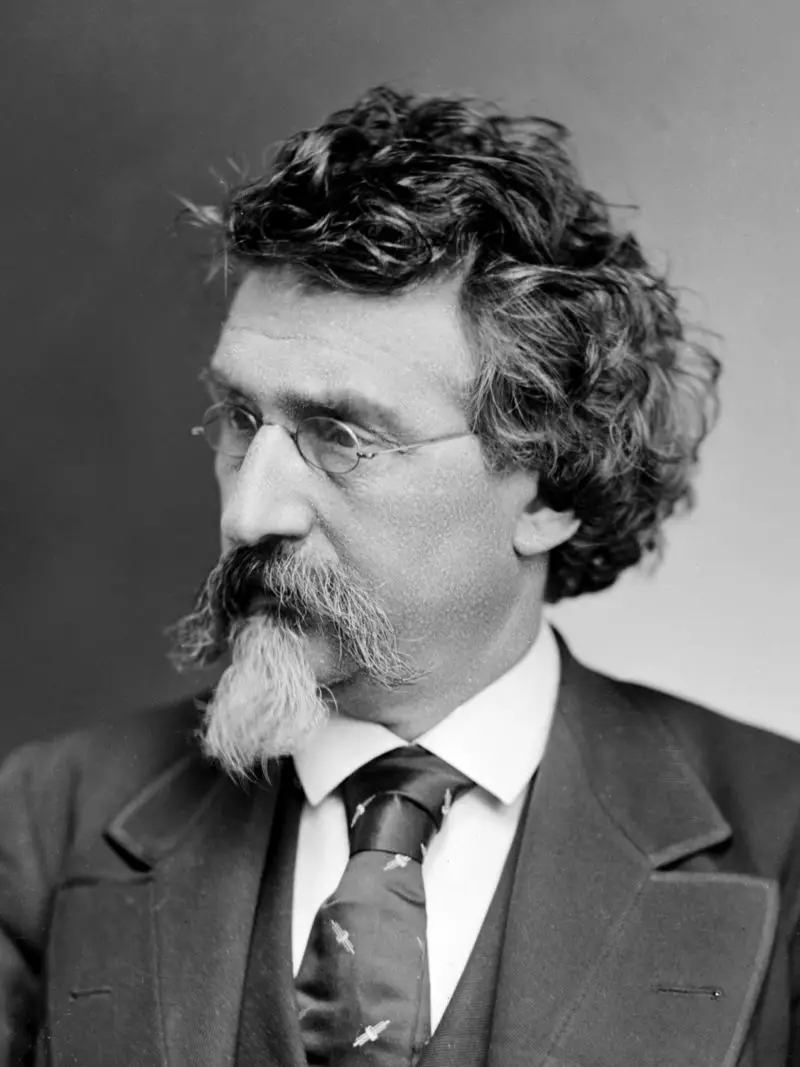
Ask a photo historian to give you the name of a photographer most commonly associated with the American Civil War, and the name Mathew Brady will likely come up every single time.
The timing of the war between 1861 to 1865 was ideal from a photographic standpoint as it was the first major conflict to occur at a time when the technology of photography was mature enough to capture good quality images of those involved and the battles they fought in.
In it’s earliest days, photography was a very slow process, involving large and heavy cameras that weren’t easy to move around. The photographic process was still in it’s infancy and in order to capture an image, photographers needed a knowledge of chemistry to take light sensitive compounds and coat them on a piece of glass or metal which would then imprint the image when exposed to light.
Even after making an image, photographers also needed to know how to develop their own images as the idea of a photo finishing lab hadn’t yet been developed yet.
There were a great number of photographers in the era of the American Civil War, but Mathew Brady saw great success as he had developed a mobile lab of sorts that allowed him and his associates to more easily transport not only the camera, but the darkroom into remote locations where the war was being fought, so that he could capture them on his plates.
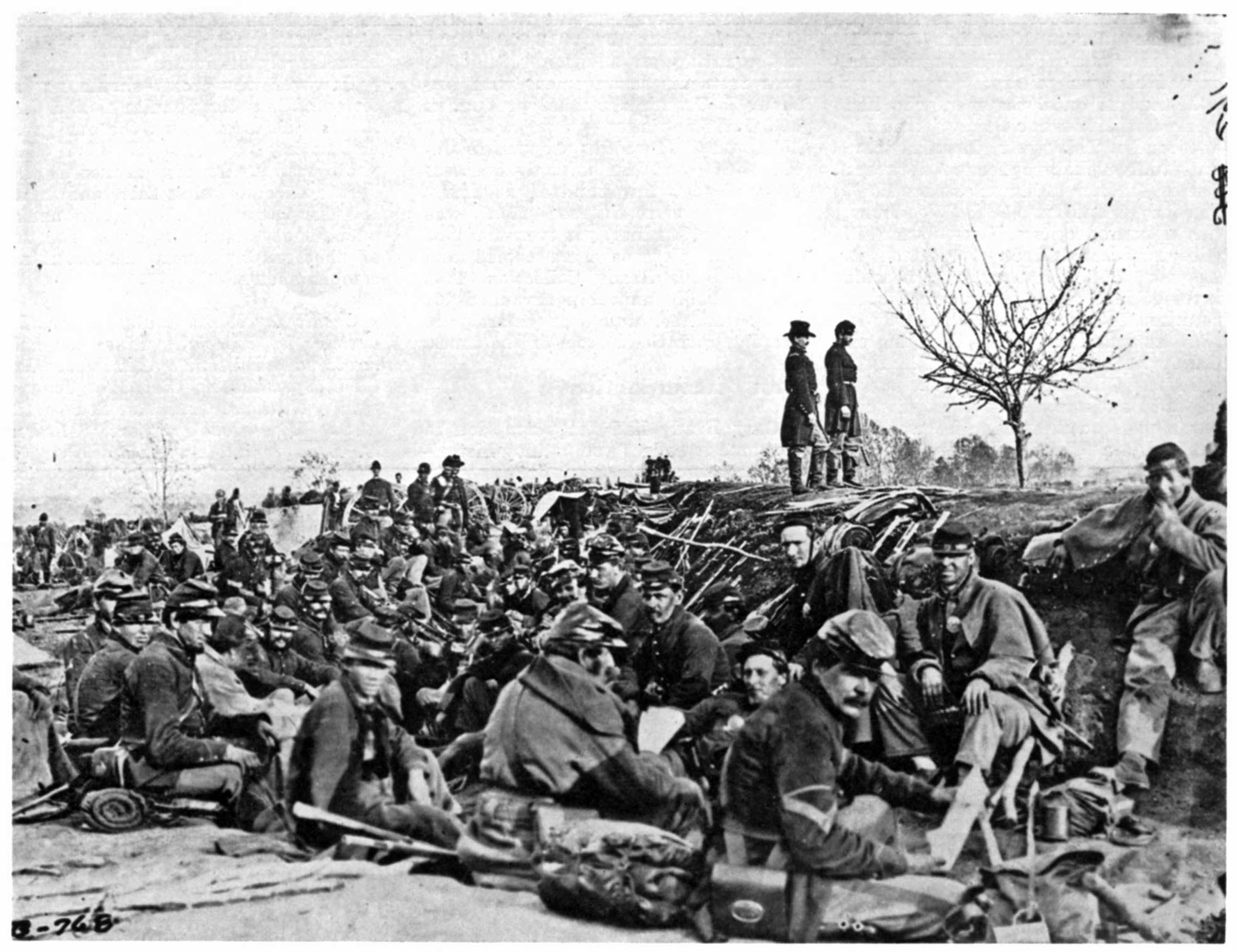
This week’s Keppler’s Vault is an article from August 1961 which tells part of Brady’s story and helps to dispel a common misconception that he did most Civil War Photography himself, when in reality, a huge number of images were actually taken by his associates and not him directly. The fact that Brady didn’t himself make many of the Civil War photos often credited to him, as sources like Wikipedia state this fact, but prior to 1961, I don’t think this was as well known, so upon publication of this article, it’s likely a lot of people were surprised.
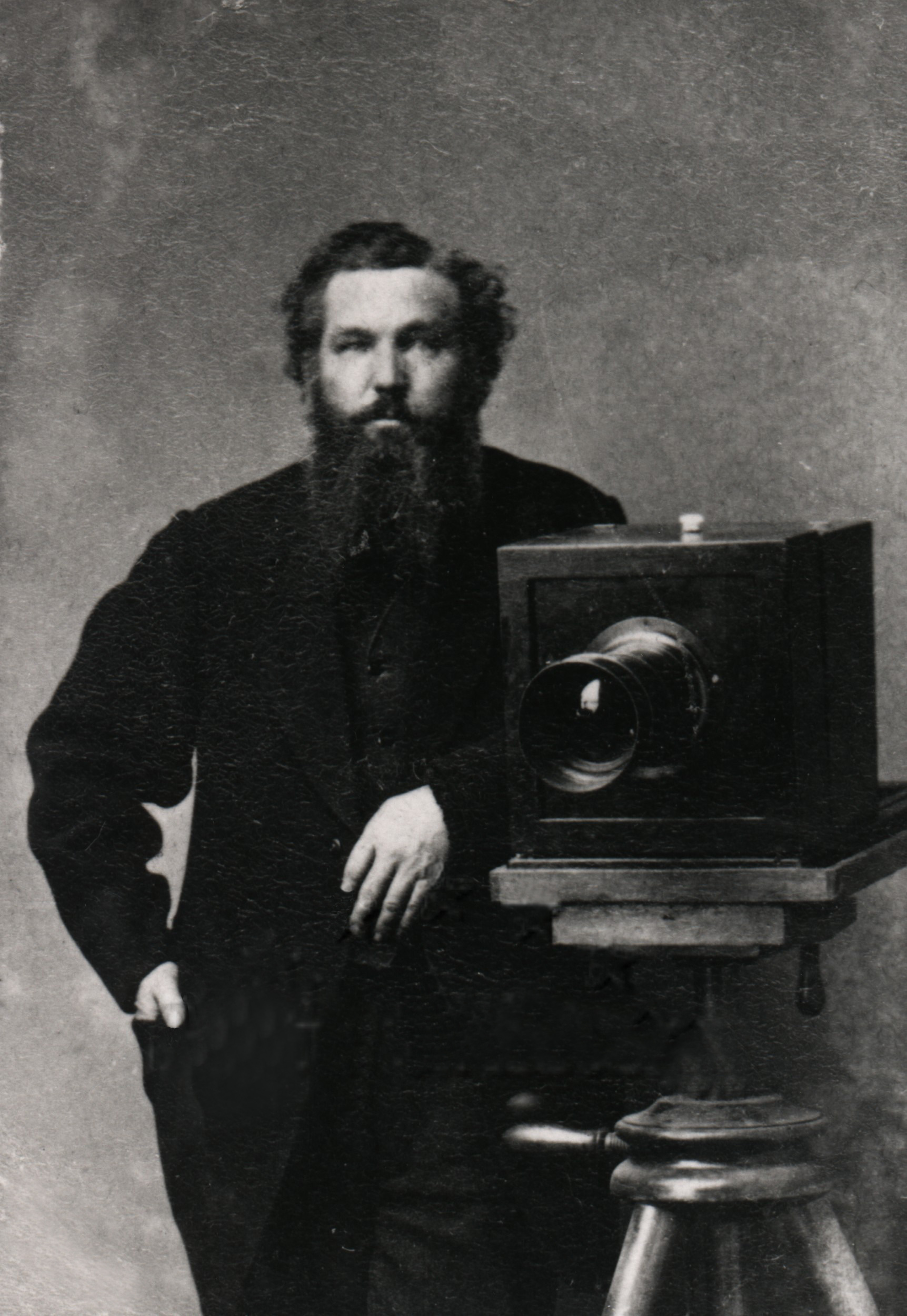
Alexander Gardner, George Barnard, James Gibson, George Cook, and Timothy O’Sullivan are just some of the names of the brave photographers who carried their equipment, sometimes for miles at a time, into battle, to photograph everything from idle soldiers to battlefields full of musket bullets and cannonballs firing.
What was even more surprising, is that although it is known that Mathew Brady did have a number of assistants working for him, and it is likely that a good number of photographs were taken by those assistants, a huge number of images often incorrectly credited to Brady, weren’t taken by him or anyone associated with him at all.
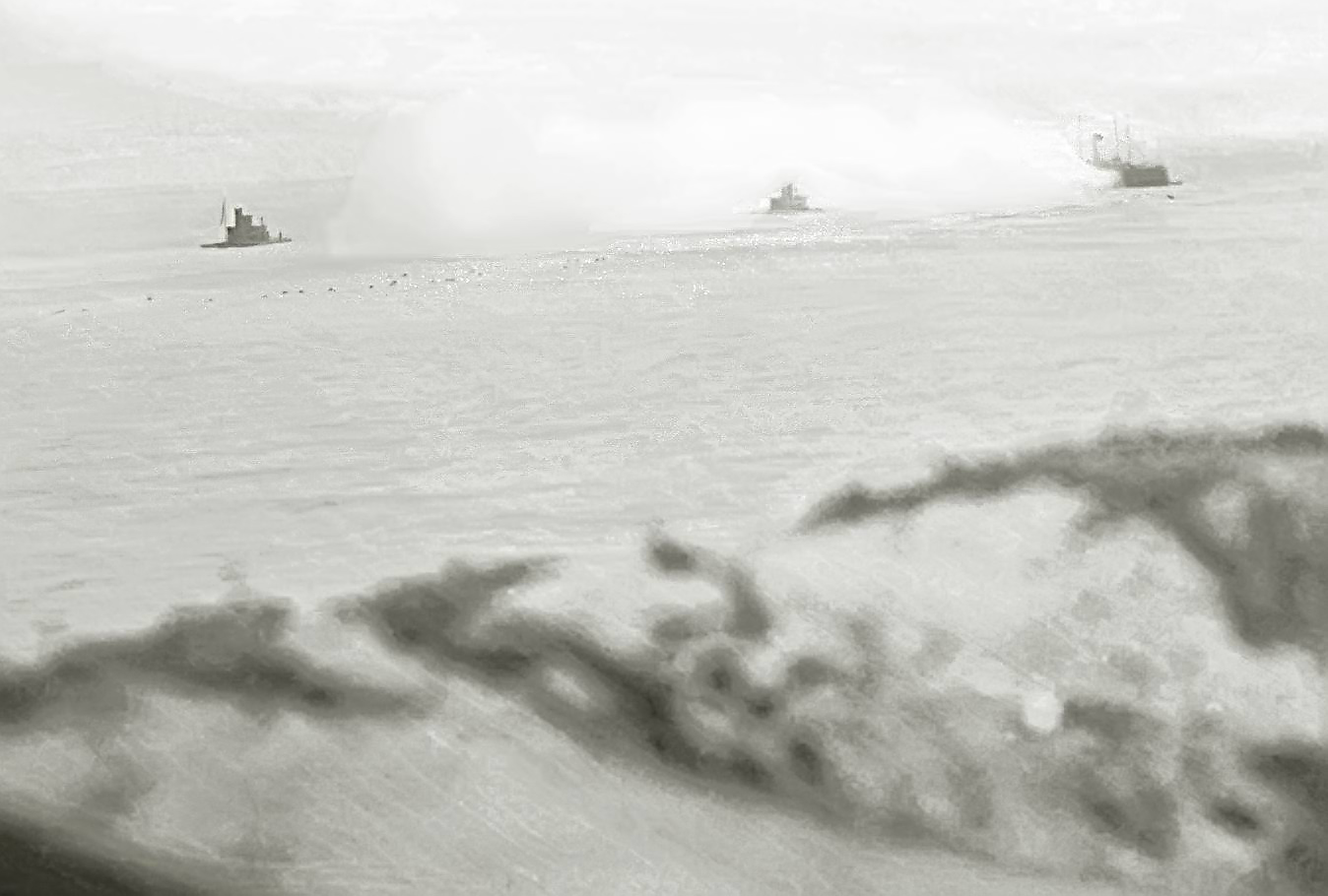
In the 1950s, the US National Archives compiled over 4000 Civil War images into what they called the Brady Collection and it seems that a great number of people inferred that images in this Brady Collection were in some way deserving of credit to him, when in actuality, Mathew Brady was a collector of photos and many of these images were merely just collected by him.
A large number of known Civil War photographs known today were taken by photographers based in Northern states. Far fewer were from photographers down South likely because many were destroyed during battle. But even for those who survived, it is important to remember that many photographers back then didn’t think too far beyond immediate use of their photos. Once an image was taken, if it was good enough, it might be published in a local or national newspaper or magazine, but beyond that, there was no reason to preserve them, or take credit for the history or story behind a photograph.
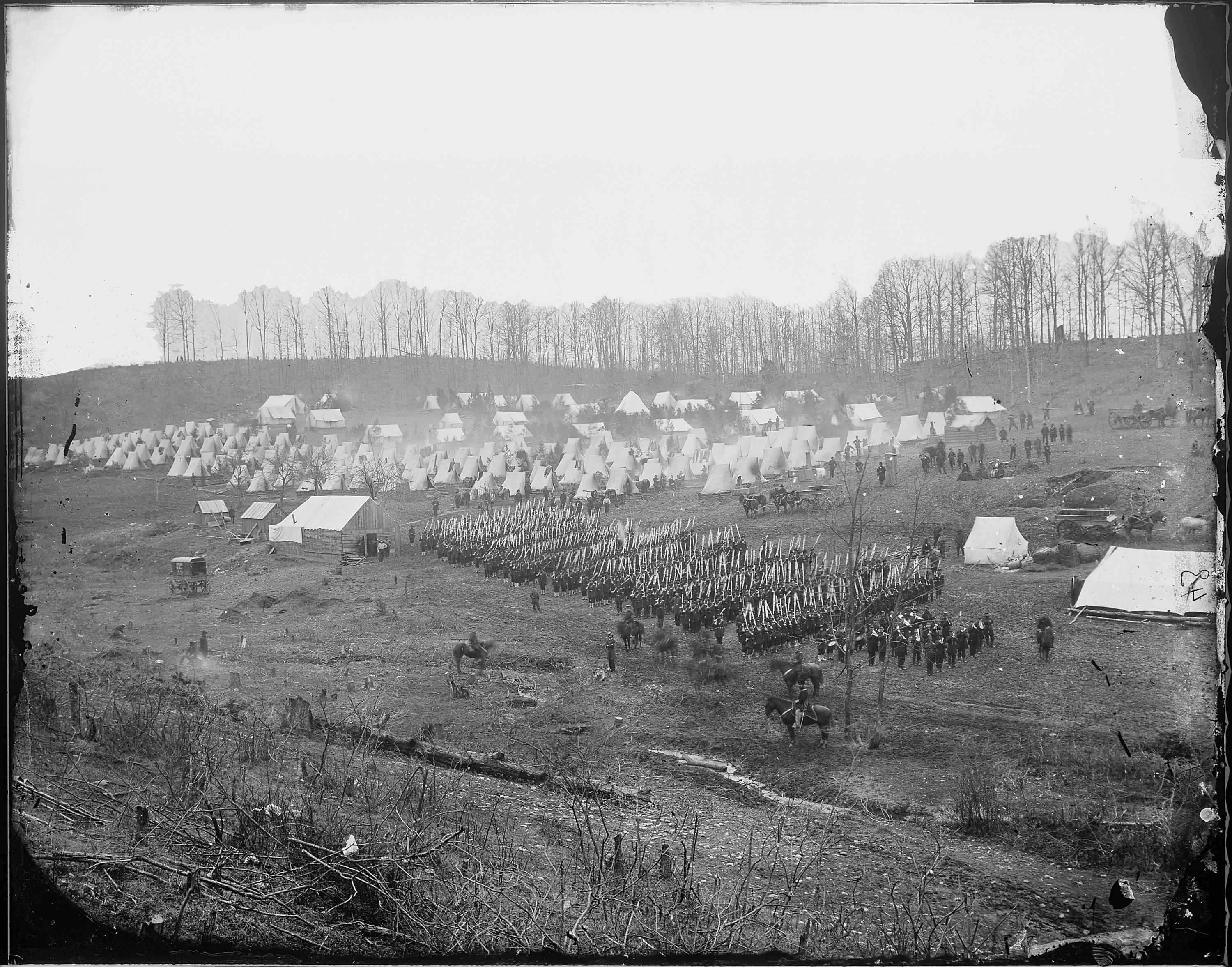
Mathew Brady, to his credit, saw the need to safely preserve these photographs in his collection, and for that reason, he does deserve some credit, as without him, many of these may have been lost to time.
Whether you are interested in the history or photography or the Civil War, this article is a fascinating look back at the earliest days of this hobby, and may have been one of the first articles in a major publication to make an attempt to credit these early photographic pioneers and get more of the story correct. Of course, there is still a lot about those photos back then that we’ll never know the full story of, but we definitely have Mathew Brady to thank for some of them.
Below is are two articles about Brady, the first from August 1961, but I also included a second, undated bonus article called “Discoveries About Brady” in which two different caches of Brady-era photographs were found, and analyzed, revealing more details about the people whose pictures were captured, but also the processes in which these photos were made. If you like stories about “barn finds” of vintage photographs, this is a good one!
All scans used with permission by Marc Bergman, 2021.
In the third paragraph, just above the picture of “idle troops before the Battle of Petersburg…” someone called “Matthew Perry” is mentioned. The first sentence in the next paragraph refers to Keppler’s Vault, where “Perry’s story” continues. Hmm, I know of a “Commodore Matthew Perry” who’s U.S. Navy Asiatic squadron of ships steamed into Japanese coastal waters in 1853, but was “this old salt” also interested in photography? Continue the tale of “Matthew Perry, Civil War photographer,” since this historical person is unknown to me.;)
Matthew Perry’s story is a fascinating one that perhaps I will cover in a future article. His exploits with his friends Joey and Ross were legendary! 🙂
Where the three opened the Japanese camera industry to the West.
Gardner is who I think of with regard to photography of the civil war (I see him mentioned in the article) but that is mostly because I’m not from these shores and just happened to stumble across a copy of ‘Gardner’s Photographic Sketch Book of the Civil War’ for free. I has some interesting photographs and if you are into that sort of this I would recommend it
Many famous painters also had much of their well known work done by students as well.